01
A good story is not yet the truth.
AI makes good stories almost free. Every slide, every report, every headline sounds convincing now. So the explanation gets cheap and the evidence gets expensive.
What it means for youAsk what every number measures. And whether every explanation would have explained the opposite just as well.
Checked myselfWhere I could be wrongIf well-told forecasts keep coming true without anyone checking the math. Then storytelling is knowledge, and I calculate too much.
My interest in itI get paid to check the math. The more people distrust stories, the more I earn.
02
Dependency doesn't disappear. It moves.
AI makes building cheap. That doesn't end dependency, it moves it: from the software vendor to the model provider, from the license to the token.
What it means for youDon't ask "Should we build it ourselves?" Ask "How fast can we get out again, and what does that cost?"
Checked myselfWhere I could be wrongIf providers stay cheaper and more stable than any switching option costs. Then lock-in is the sensible choice.
My interest in itBalane builds software and helps companies switch. The more they think about dependency, the better for me.
03
Advice is worth exactly as much as its evidence.
AI writes expert language in seconds. So what advice is worth no longer depends on tone, title or slides, but on whether someone shows what it stands on and answers for it.
What it means for youPay for evidence and accountability, not certainty. Ask: how will we know your advice was wrong, and what happens then?
Checked myselfWhere I could be wrongIf advisers without numbers of their own demonstrably lead to better decisions than those with them. Then experience is evidence you don't have to show.
My interest in itI advise companies myself. So this sentence applies to me first.
04
Being wrong has become cheap. Whoever measures, wins.
An experiment now costs a weekend instead of a quarter. With twenty-four tries a year, you don't have to be right. You have to be able to count.
What it means for youBudget for measuring, not for forecasts. And decide before the experiment what counts as success.
Checked myselfWhere I could be wrongWhere a single mistake costs everything, in safety, health or liability, being wrong is never cheap. There the sentence doesn't hold.
My interest in itI build tools for measuring and calculating. People who measure need them.
05
Systems tip over when nobody pushes back anymore.
The more decisions run through approvals, committees and optimization, the earlier dissent gets filtered out. Not out of malice. Because each time it looks reasonable.
What it means for youMeasure your organization by how expensive it is to disagree. Who pushed back last, and what happened to them?
Checked myselfWhere I could be wrongIf consensus-heavy organizations get through crises better than argumentative ones, decade after decade. Then calm is a strength.
My interest in itI get paid to disagree from the outside. That makes the sentence convenient for me.
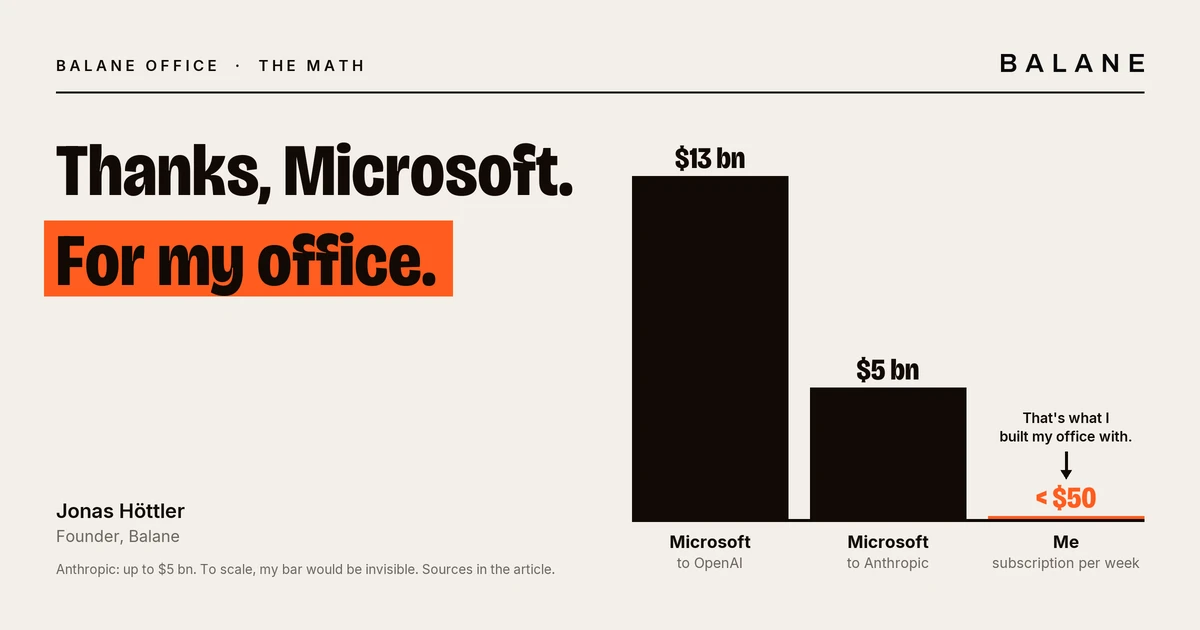


 512ways to compute Epoch's data. The 13x cheaper holds, but only for the bargain hunter.Read →
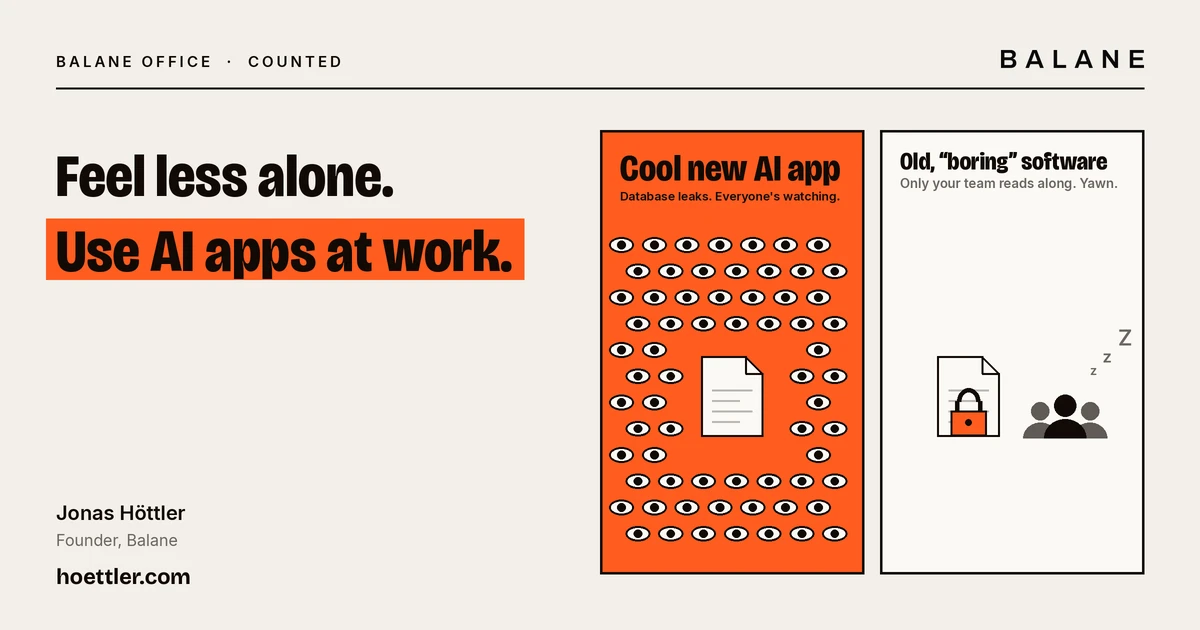
 0.7359average hits for an AI model trained on 70 years of lottery draws. Chance gets 0.7352.Read →
 0famous leading indicators survived my out-of-sample test.Read →